A Thousand Years of Hungarian Heritage

Hungary's castles, museums, and battlefields hold stories that shaped Central Europe. I have spent years walking their corridors, reading their archives, and piecing together the narratives that standard guidebooks tend to compress into a paragraph. These guides offer something deeper.

Explore Buda Castle →
Hungarian Parliament Building on the banks of the Danube in Budapest, one of Europe's largest legislative buildings completed in 1904 Wikimedia Commons, CC BY-SA

Historical Periods

895 AD

Magyar Conquest

The arrival of seven Magyar tribes in the Carpathian Basin under Arpad laid the foundation for the Hungarian state that endures today.

1000 AD

Kingdom Founded

King Stephen I received the Holy Crown from Pope Sylvester II, establishing Hungary as a Christian kingdom at the heart of medieval Europe.

1526

Ottoman Wars

The Battle of Mohacs and subsequent Ottoman occupation divided Hungary into three parts for over 150 years of conflict and resistance.

1867

Dual Monarchy

The Austro-Hungarian Compromise created a dual state that transformed Budapest into one of Europe's great imperial capitals.

Perspective

What You Will Find Here

I moved to Budapest in 2017 to study Central European history at the graduate level. What began as academic interest quickly became a personal mission. I started visiting every accessible castle, museum, and historical site across Hungary, often returning multiple times to see seasonal exhibitions or newly restored sections.

Most English-language material about Hungarian history is either too academic for casual readers or too superficial for anyone who wants real understanding. This site sits between those extremes. Every article is built from personal visits, archival research, and conversations with curators and local historians.

The three articles currently published cover what I consider the essential starting points for understanding Hungarian heritage: Buda Castle as the seat of royal power, Eger as the symbol of national resistance, and the Hungarian National Museum as the repository of the nation's material history.

Featured Articles

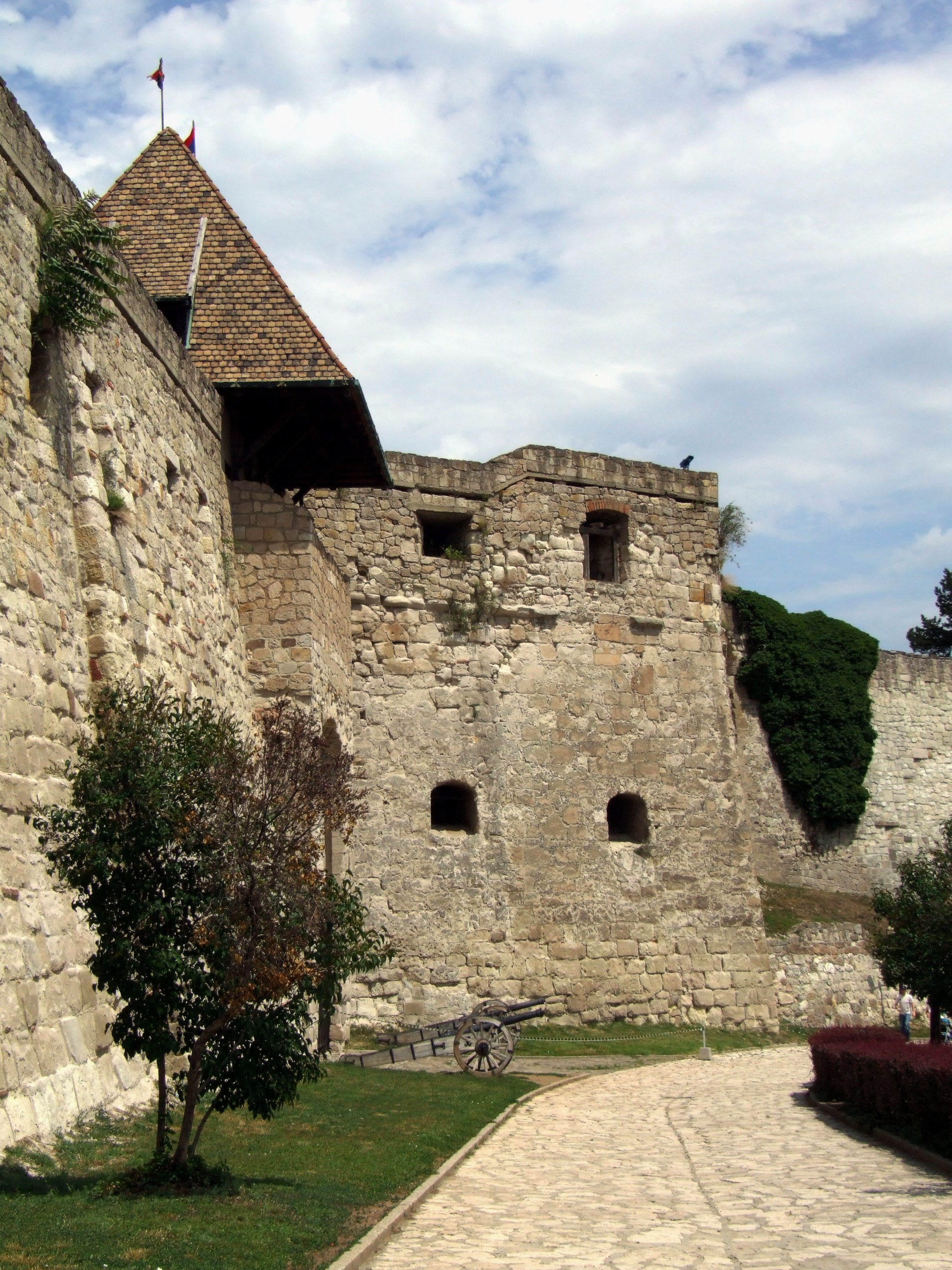
The stone fortifications of Eger Castle in northern Hungary where defenders resisted the Ottoman siege of 1552 Wikimedia Commons, CC BY-SA
Military History

The Siege of Eger in 1552

How a garrison of roughly 2,000 defenders held off an Ottoman army of 35,000 for five weeks. The real story behind Hungary's most celebrated act of resistance.

Read the article
Heroes Square in Budapest featuring the Millennium Monument with statues of Hungarian historical leaders Wikimedia Commons, CC BY-SA
Museums

A Guide to the Hungarian National Museum

A detailed walkthrough of the collection that tells Hungary's story from prehistoric settlement to the twentieth century, including the coronation mantle and revolutionary relics.

Read the article

How This Content Is Built

Research-driven writing

On-Site Research

Every location featured here has been visited at least three times. I photograph architectural details, read local interpretation panels, and speak with site staff to verify facts that published sources sometimes get wrong.

Academic Cross-Referencing

Historical claims are checked against peer-reviewed Hungarian historiography. Where scholarly debate exists, I present the competing interpretations rather than choosing the most dramatic version.

Regular Updates

Museums renovate, castles undergo restoration, and new archaeological discoveries change established narratives. I revisit and update articles when significant changes occur and mark every revision date.